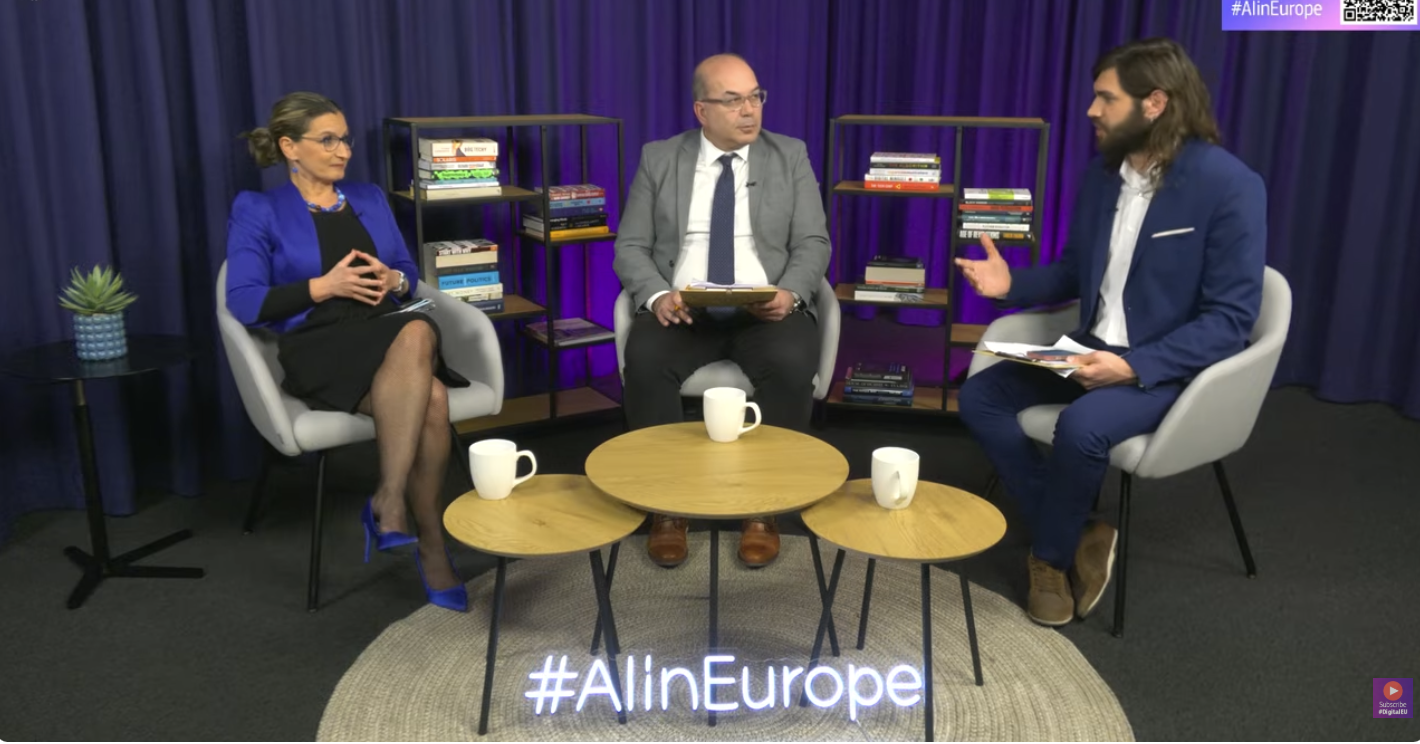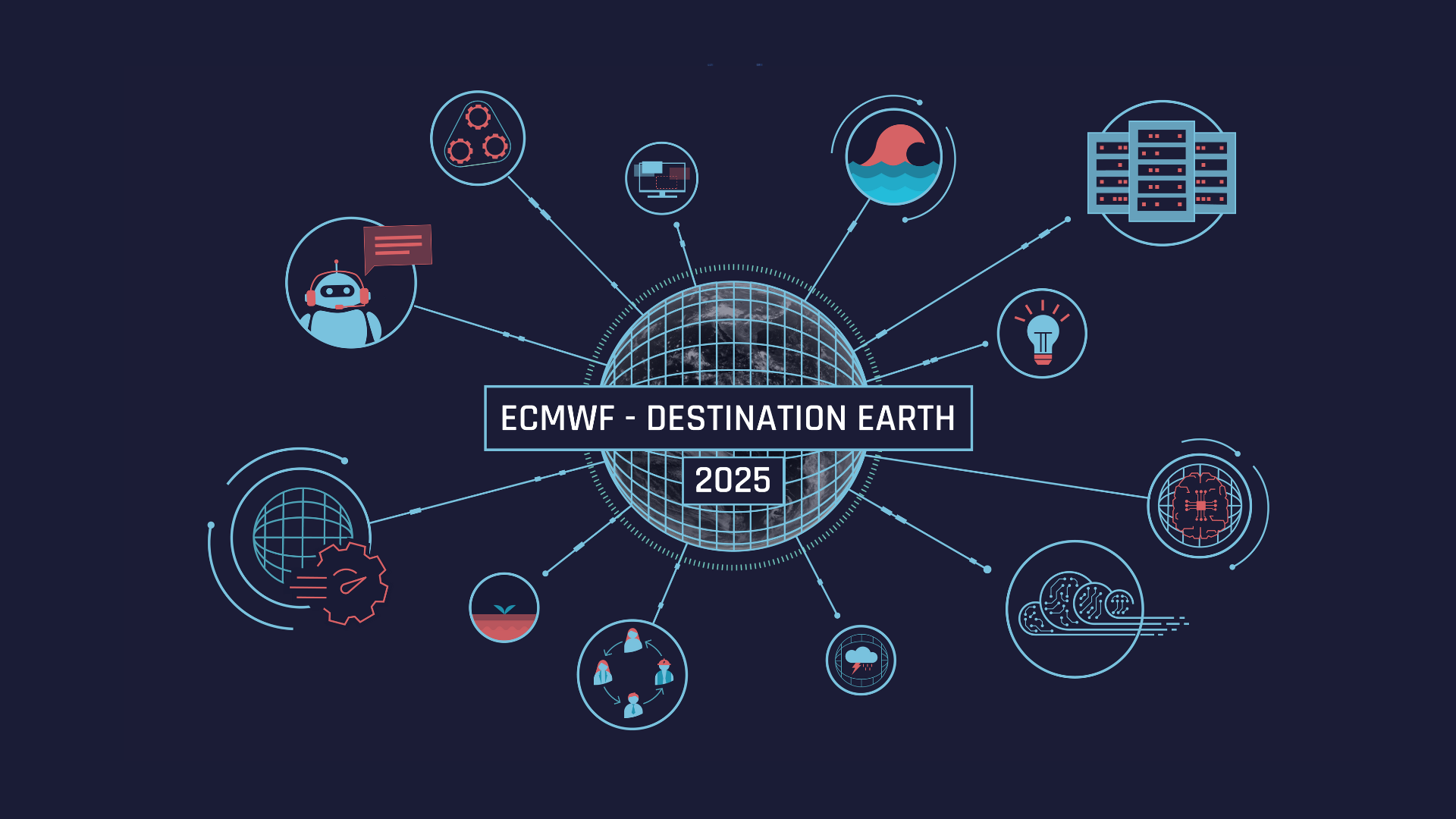
In 2025, the European Commission’s Destination Earth (DestinE) initiative continued to demonstrate the value of European collaboration, which pushed the initiative forward. Important milestones were achieved in the operationalisation of both Digital Twins and the Digital Twin Engine, as well as artificial intelligence (AI) developments, all harnessing Europe’s high-performance computing resources. This year was also marked by a broad engagement, through workshops, high-level events, scientific publications and AI blogs, while recognition with the HPCWire Award for Best Use of AI Methods highlighted how shared expertise across the DestinE partners, ECMWF and its Member States continues to unlock new opportunities and accomplishments.
Let’s delve into some of the highlights of 2025.
Building on Europe’s HPC strength: innovation milestones across DestinE
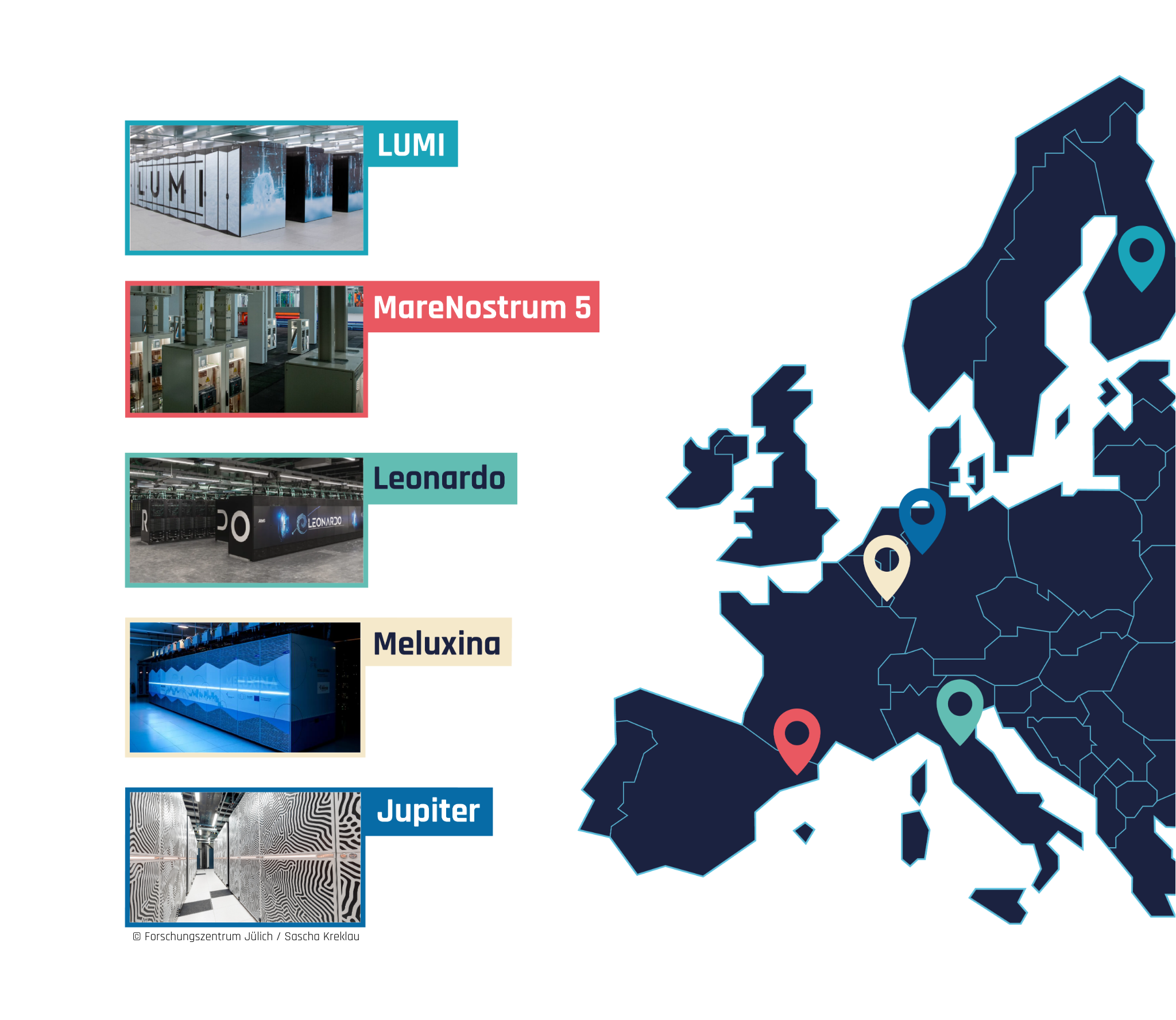
DestinE’s Digital Twin and AI developments this year have been closely tied to the power of EuroHPC’s supercomputer resources. The end-to-end digital twin workflows successfully deployed on these systems now regularly produce climate and extreme-weather information, harnessing the power of LUMI and MareNostrum5. These resources enabled the running of simulations with unprecedented detail at 5 km resolution and reaching computational throughputs of about 120 simulated days per day.
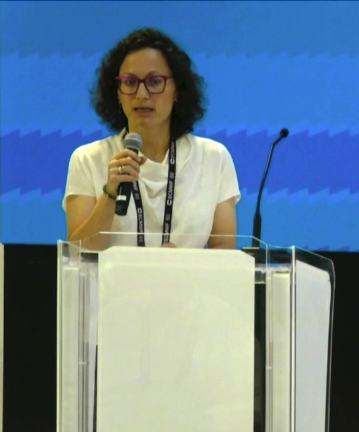
Destination Earth has now become a familiar feature on the EuroHPC scene, and from the European Union, we are very proud to showcase Destination Earth as one of the greatest examples of the benefits of our investments in European HPC and how we can benefit not only in the pursuit of science but also resulting in concrete, tangible outcomes for all citizens. It is a prime example of a hugely collaborative endeavour of the top strategic importance for Europe.
— Grazyna Piesiewicz, Head of Unit at DG CNECT for High Performance Computing and Applications, at ECMWF’s 21st HPC Workshop
This year marked important strides towards the operationalisation of the Climate Change Adaptation Digital Twin (Climate DT) framework, allowing both the regular production of climate projections and the addressing of “what-if” questions. In parallel, a new set of simulations using the three models covering the period 1990–2050 at 5 km resolution was initiated and made substantial progress, and is expected to be completed before the end of Phase 2.
The integration of the Application for QUality Assessment (AQUA) has been fundamental in evaluating model robustness and trustworthiness, while the use of one-pass algorithms, which condense and translate raw climate data into sector-relevant information while the climate projections are running, has reinforced the system’s ability to provide tailored climate information. Showing the direct benefit of having applications integrated within the workflows, use cases from the wind energy sector, amongst others, highlighted how this system can support more informed decision-making and practical planning.
In parallel, the Weather-induced Extremes Digital Twin (Extremes DT) also made strides towards operationalisation, with its global component running daily and its regional component applied to hundreds of events occurring across Europe.
As the digital twins produce more than a petabyte of information per day, the capabilities of the Digital Twin Engine, DestinE’s software framework providing the infrastructure for extreme-scale simulations, data fusion, data handling, and machine learning, were also highlighted this year. Notably, a new feature-extraction functionality of the Polytope service allows users to retrieve only the specific data they need from the vast volumes of weather and climate outputs.
All these advances were documented in a set of peer-reviewed papers covering the Digital Twins and Digital Twin Engine. Find more information by clicking the images below.
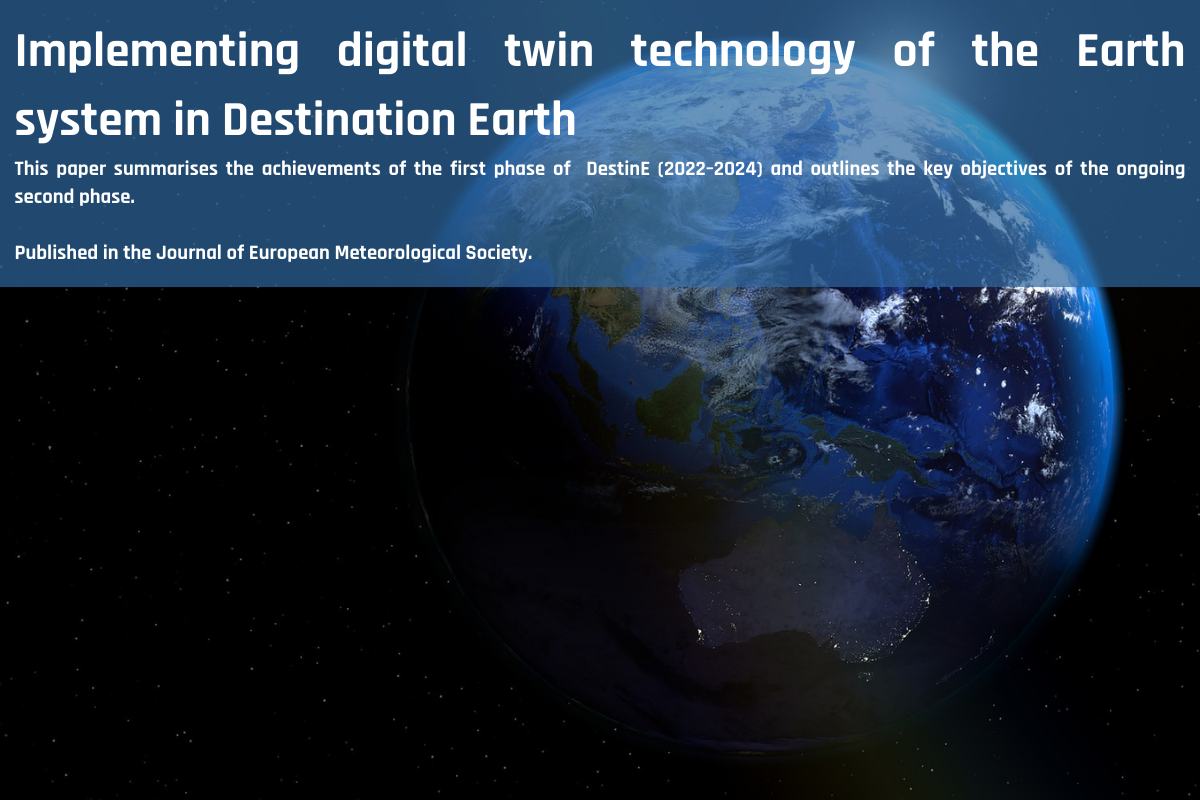
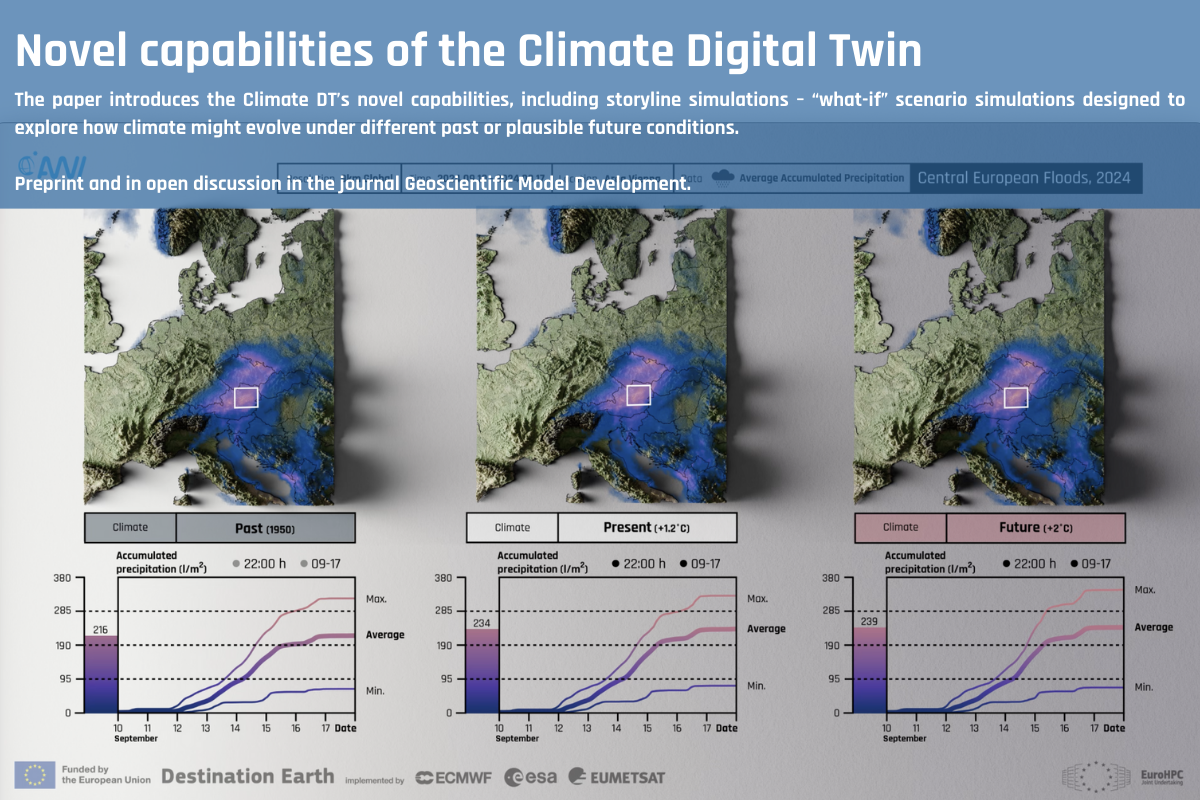
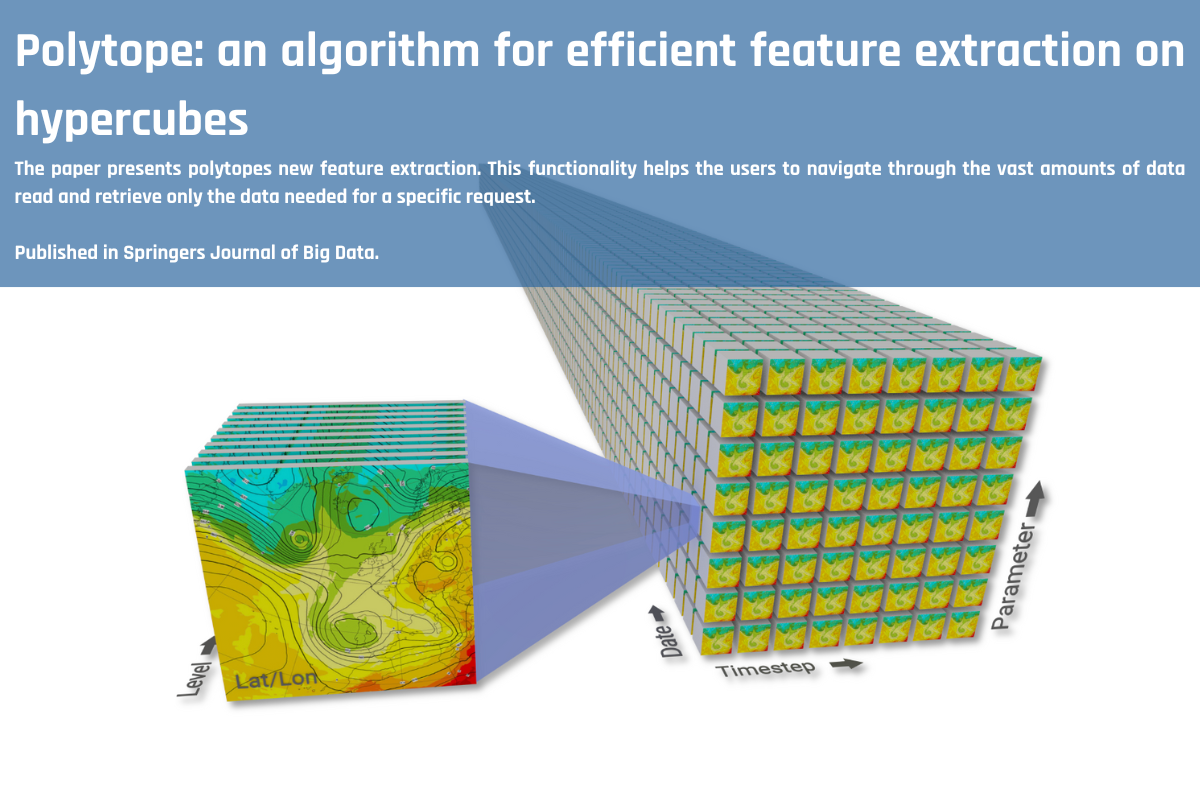
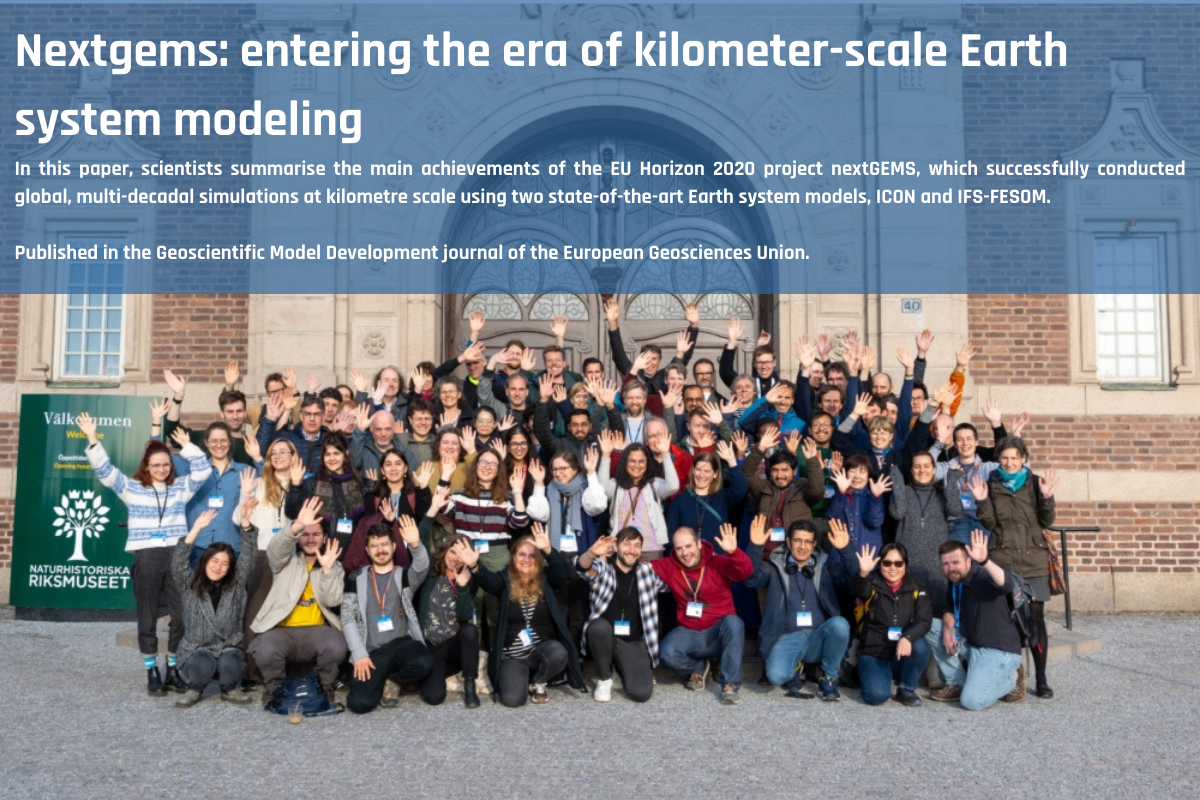
The same EuroHPC infrastructure underpinned the growing integration of AI within DestinE, with GPU resources on LUMI, MareNostrum5, Leonardo, and MeluXina exploited to develop machine learning (ML) models for Earth system components, including land, ocean, sea ice, waves, and hydrology. Recent access to JUPITER, the first exascale machine in Europe, will allow accelerated development of these prototype models in 2026.
AI progress through collaboration and HPC recognition
Artificial intelligence activities continued to make rapid progress in 2025, driven by collaboration, shared frameworks, and a series of workshops.
Activities in DestinE harnessed Anemoi, the open-source software framework developed by ECMWF and Member States to create AI-based models. It was deployed on the EuroHPC supercomputers to develop AI-based Earth system model components, enhancing the digital twins’ capabilities. Demonstrating the scalability, portability, and practical integration of Anemoi on the EuroHPC systems, this work was recognised with an HPCWire Award for “Best Use of AI Methods for Augmenting HPC Applications.”
Throughout the year, several high-level events in Europe also highlighted the practical benefits of pooling resources and expertise to advance the application of AI for enhancing weather and climate resilience.
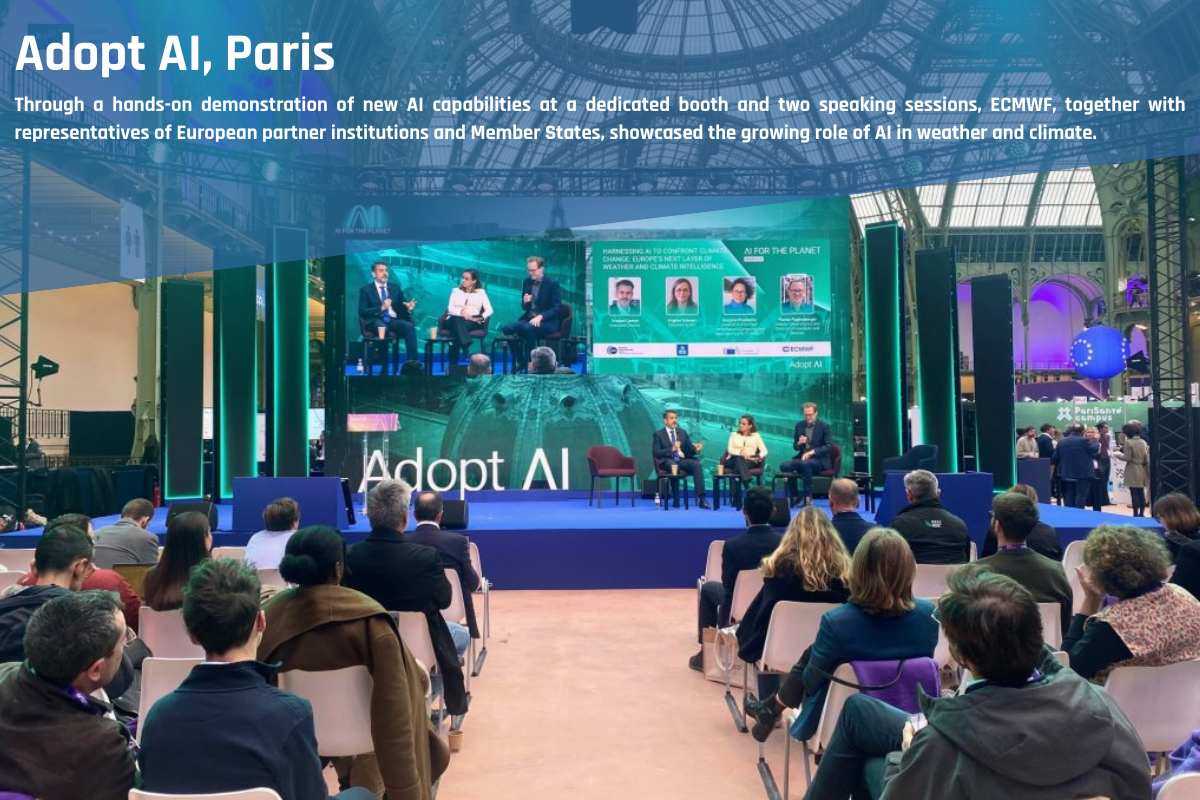
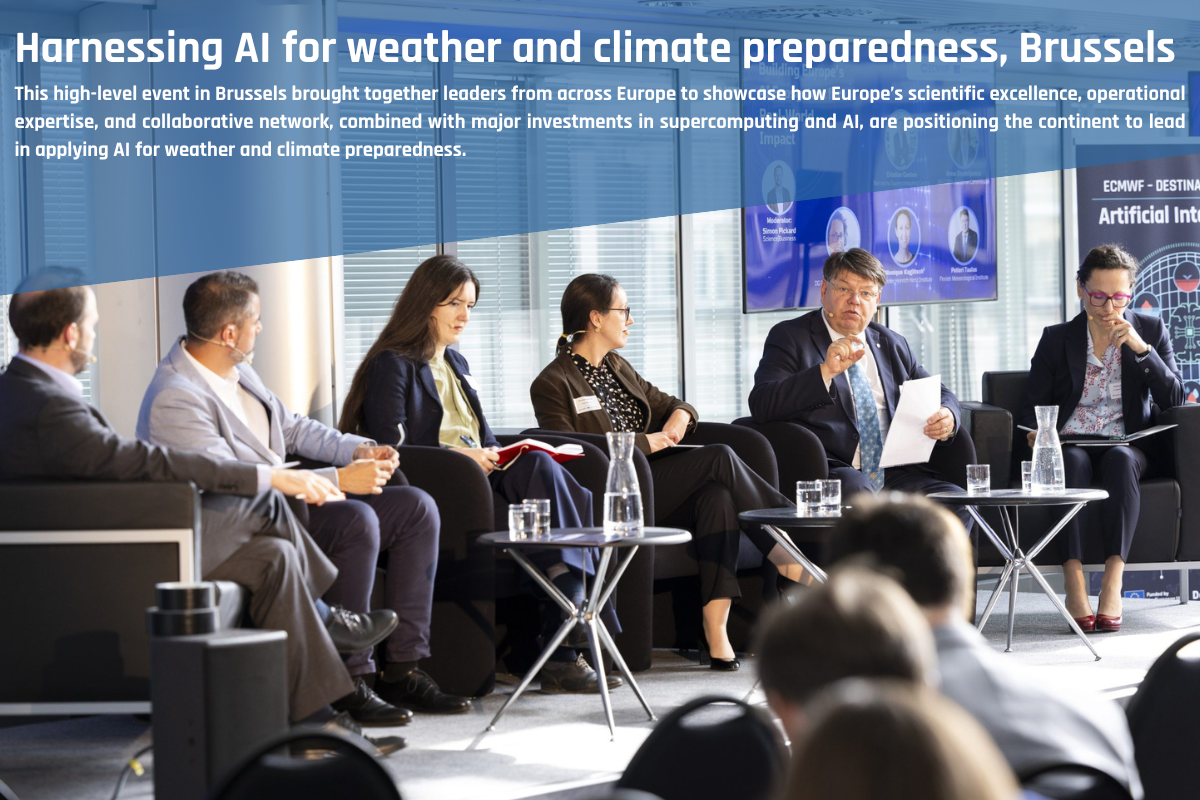
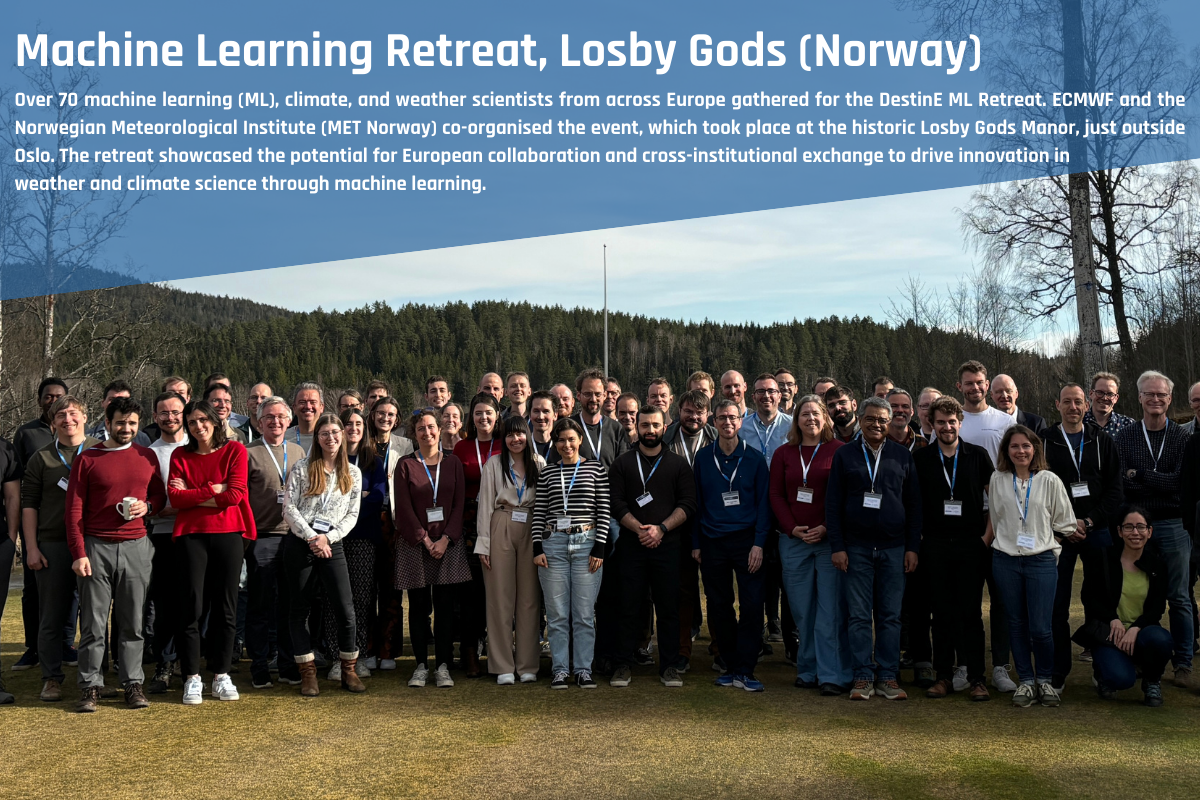
The Adopt AI conference in Paris presented ECMWF contributions to AI in weather and climate, including in the framework of DestinE, emphasising how European and national efforts are operationalising AI applications to a wide audience. Earlier in September, the Science-Business Network event on AI for weather and climate preparedness in Brussels provided a platform to discuss the rapid progress in building operational AI models and highlight the role of cross-institutional collaboration. Complementing these conferences, hands-on workshops and gatherings allowed partners to exchange ideas and make collaborative progress on the AI activities in DestinE.
Click the images below to find more information about the events.
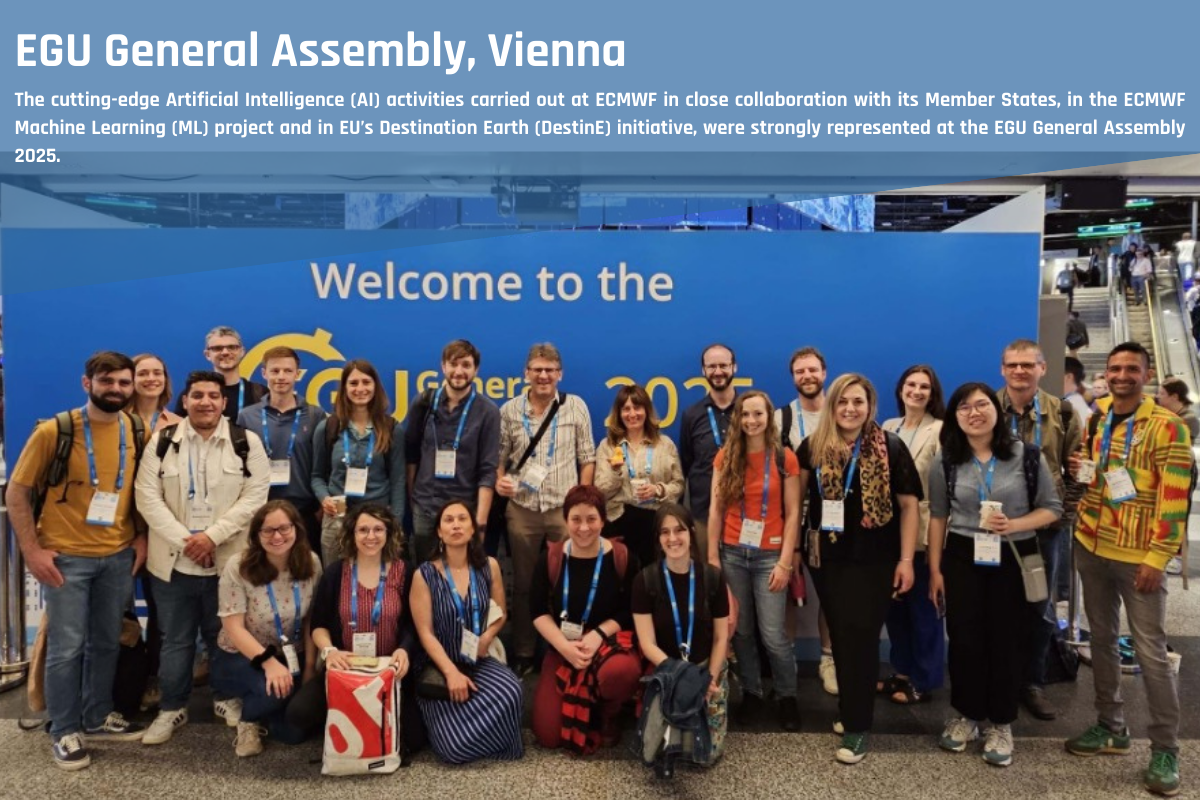
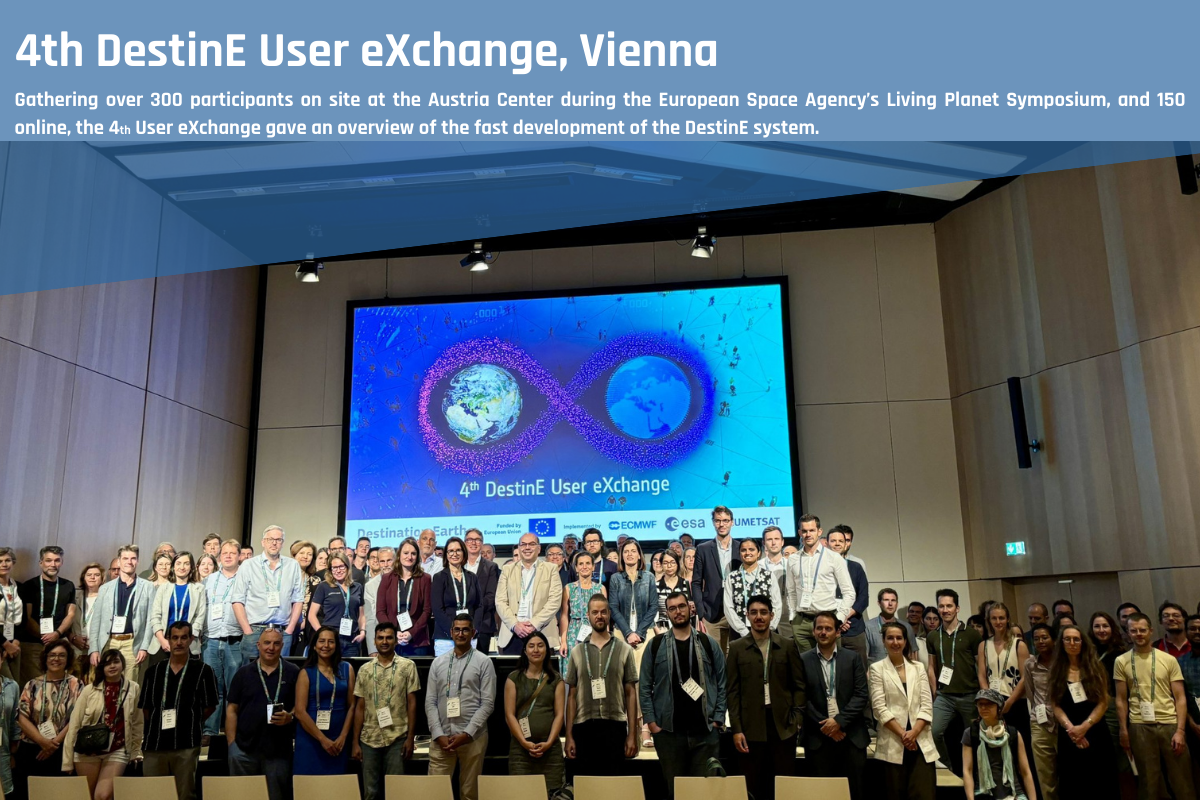
Together, these events reinforced the importance of shared expertise in building and applying AI capabilities across Europe and underlined how these efforts can be further advanced through the development of EU’s AI factories and gigafactories.
Advancing AI-based Earth system components: ECMWF scientists blog their insights
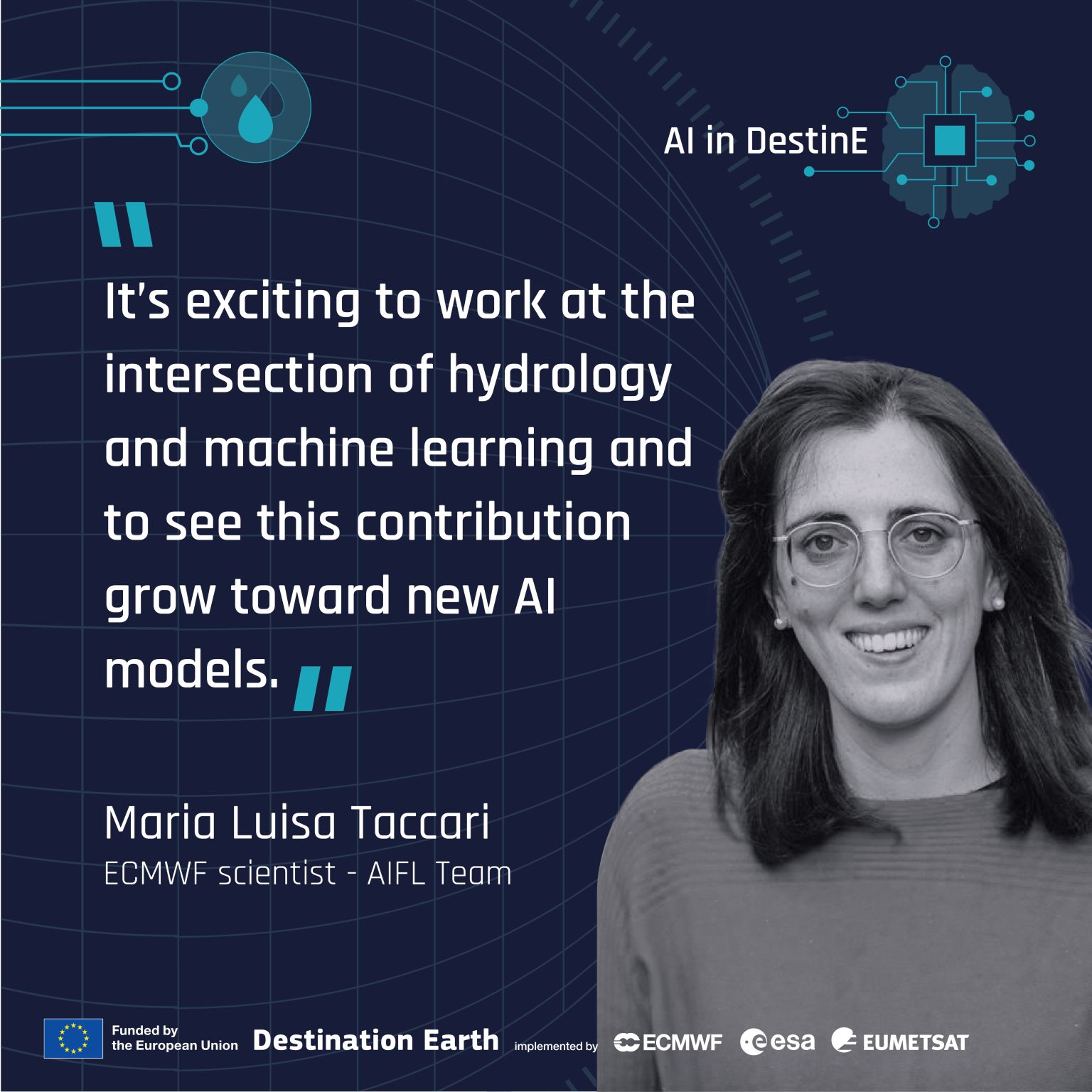
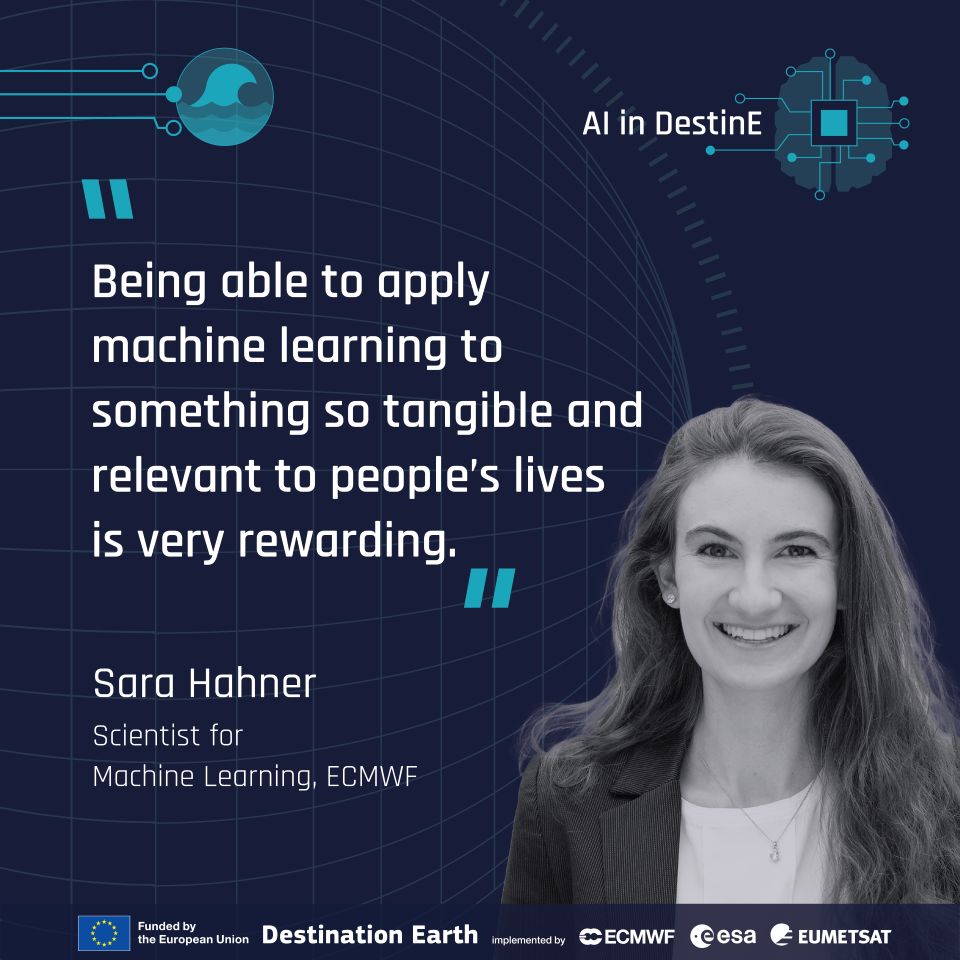
2025 saw a strong drive in AI Earth system developments. Early prototypes for waves, hydrology, land, ocean, and sea ice have been developed, already showing promising results. ECMWF scientists at the forefront of these developments have shared their insights and documented what it meant to train and develop these new AI-based models through a series of blogs.
Find out more about the blogs by clicking the images below.
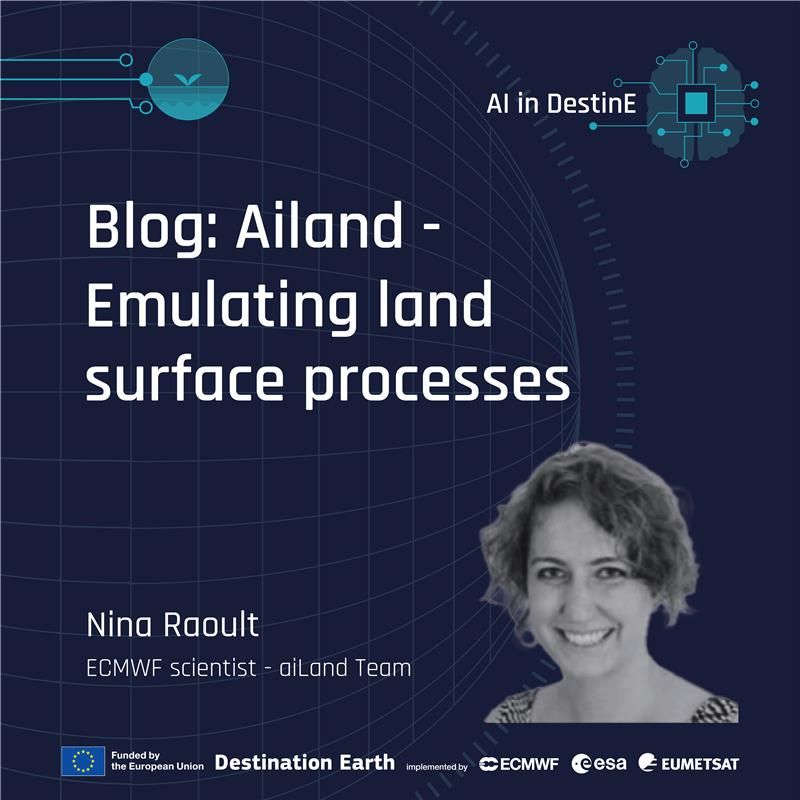
AI-based tools designed to enhance interactivity also continued to progress. Notably, the Forecast-in-a-Box prototype brings together ECMWF and Member State AI models, open-source software, and ready-to-use pipelines, allowing users to run and adapt AI simulations on their own infrastructure.
Complementing this, weather and climate prototype chatbots were developed to enable users to easily interact with digital twin data.
More about DestinE’s AI activities here.
Shaping climate resilience for the future
By bringing together European expertise and through collaborative innovation, DestinE transforms cutting-edge technology and expertise, at the crossroads of physics, artificial intelligence, and supercomputing into actionable insights for decision-makers and stakeholders. As the initiative moves into its next phase, these foundations will continue to expand, opening new opportunities to strengthen climate resilience, guide adaptation strategies and serve society at large.
Destination Earth is a European Union funded initiative launched in 2022, with the aim to build a digital replica of the Earth system by 2030. The initiative is being jointly implemented by three entrusted entities: the European Centre for Medium-Range Weather Forecasts (ECMWF) responsible for the creation of the first two ‘digital twins’ and the ‘Digital Twin Engine’, the European Space Agency (ESA) responsible for building the ‘Core Service Platform’, and the European Organisation for the Exploitation of Meteorological Satellites (EUMETSAT), responsible for the creation of the ‘Data Lake’.
We acknowledge the EuroHPC Joint Undertaking for awarding this project strategic access to the EuroHPC supercomputers LUMI, hosted by CSC (Finland) and the LUMI consortium, Marenostrum5, hosted by BSC (Spain) Leonardo, hosted by Cineca (Italy) and MeluXina, hosted by LuxProvide (Luxembourg) through a EuroHPC Special Access call.
More information about Destination Earth is on the Destination Earth website and the EU Commission website.
For more information about ECMWF’s role visit ecmwf.int/DestinE
For any questions related to the role of ECMWF in Destination Earth, please use the following email links: